Removing What No Longer Serves the Property
Minor demolition in Charleston, SC and surrounding areas for clearing outdated structures, concrete sections, and site obstacles before construction or landscaping projects
Small-scale demolition removes sheds, concrete slabs, deteriorated decking, old fencing, and other structures that block site development or create safety hazards. Nexlevel Ground Pros. handles these projects for homeowners upgrading their properties and contractors preparing sites for new construction in Charleston, SC. The work involves more than tearing things down—it requires understanding what's structurally connected, where utilities run, and how to separate materials for disposal or recycling.
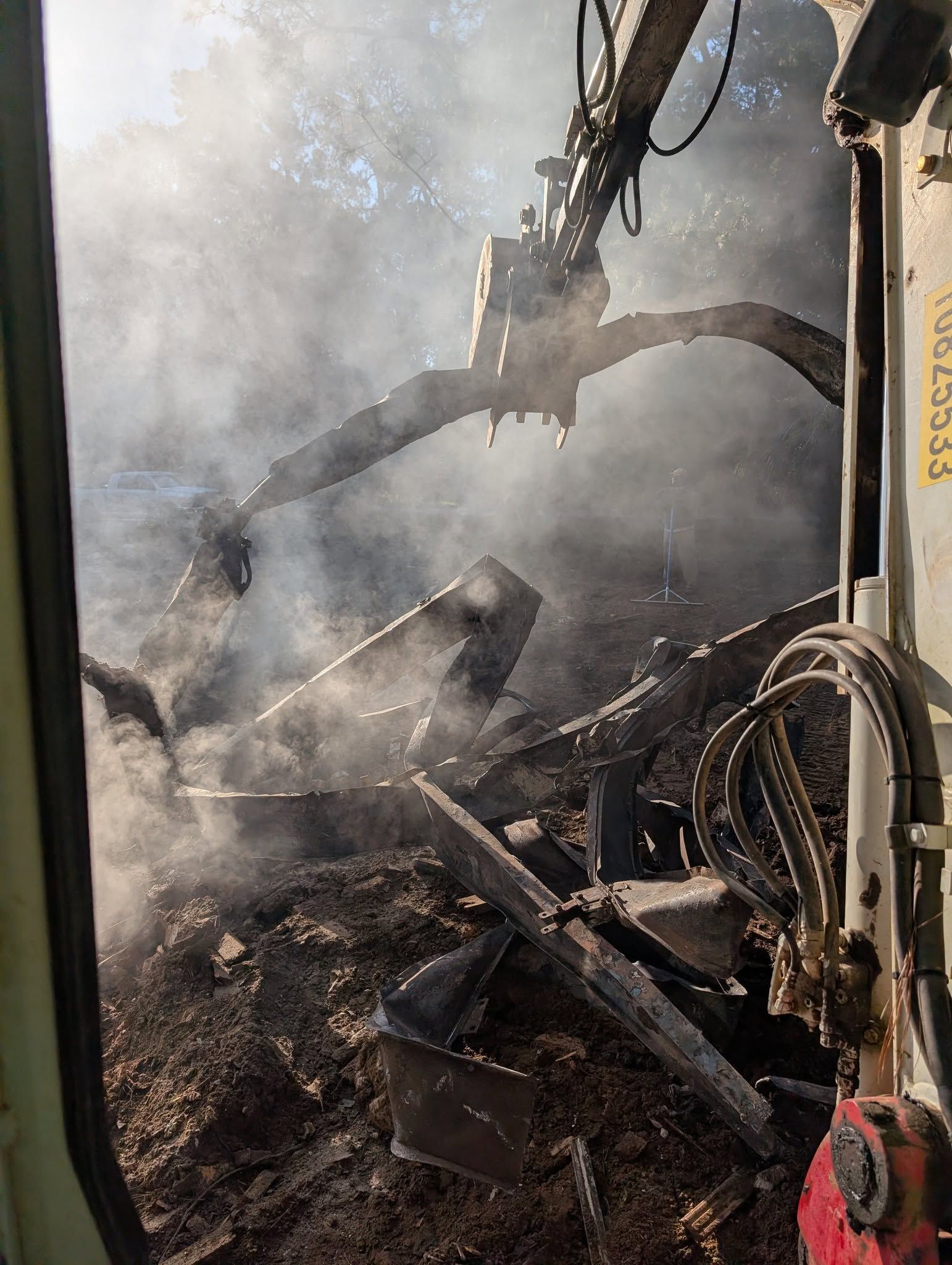
The process begins with evaluating what needs removal, identifying any utilities that must be disconnected, and determining the safest demolition sequence. Concrete gets broken into manageable pieces using jackhammers or excavator-mounted breakers, wood structures are dismantled section by section, and metal components are separated for scrap recycling. Debris removal happens as part of the service, leaving the site clear and ready for the next phase.
Schedule a property assessment to identify demolition requirements, discuss debris handling, and confirm site readiness timelines.
How Demolition Prepares Sites for Development
Controlled demolition prevents damage to surrounding structures and ensures that materials are removed efficiently without creating additional site problems. Workers establish containment zones to manage dust and debris, disconnect utilities to prevent accidental damage, and use equipment matched to the structure's size and material. Concrete demolition requires heavier tools than wood frame tear-downs, and proximity to other buildings affects how aggressively demolition proceeds.
After demolition is complete, you'll see a cleared footprint where the old structure stood, with debris removed and the ground surface left stable for grading or construction. Any remaining foundation elements below grade are either broken up and removed or left in place if they won't interfere with new work. The site becomes accessible for equipment and ready for the next stage of development.
This service often combines with site preparation or excavation when projects require both structure removal and ground leveling. Some jobs need only selective demolition—removing part of a structure while leaving the rest intact—which requires more precision and bracing to maintain stability during the work.
Minor demolition involves safety considerations and planning steps that differ from larger teardowns but still require professional handling.
Common Questions About This Service
What qualifies as minor demolition?
Projects typically include sheds, small outbuildings, concrete patios or driveways, deteriorated decking, fencing, and other structures that don't require engineered demolition plans or specialized permitting.
How is concrete demolition different from other teardowns?
Concrete requires hydraulic breakers or jackhammers to fracture the material into pieces small enough to lift and haul. Rebar embedded in the concrete must be cut, which adds time compared to wood structures.
What happens to the demolished materials?
Concrete and metal are separated for recycling when possible, wood debris is hauled to disposal facilities, and any hazardous materials like treated lumber are handled according to local regulations.
Why does location affect demolition in Charleston, SC?
Access constraints, proximity to other structures, and soil stability for equipment all influence how demolition proceeds and what tools can be used safely on-site.
What preparation is needed before demolition starts?
Utilities like electric, water, and gas must be disconnected, and the site needs clear access for equipment and debris trucks. Surrounding areas may need protection from falling materials or equipment movement.
Nexlevel Ground Pros. coordinates demolition timing with your project schedule and handles all debris removal as part of the service. Request a site evaluation to determine the scope of demolition work and confirm project readiness.