
Instant Lawns That Root and Thrive
Sod Installation in Charleston, SC for bare yards, renovation projects, and immediate curb appeal improvement
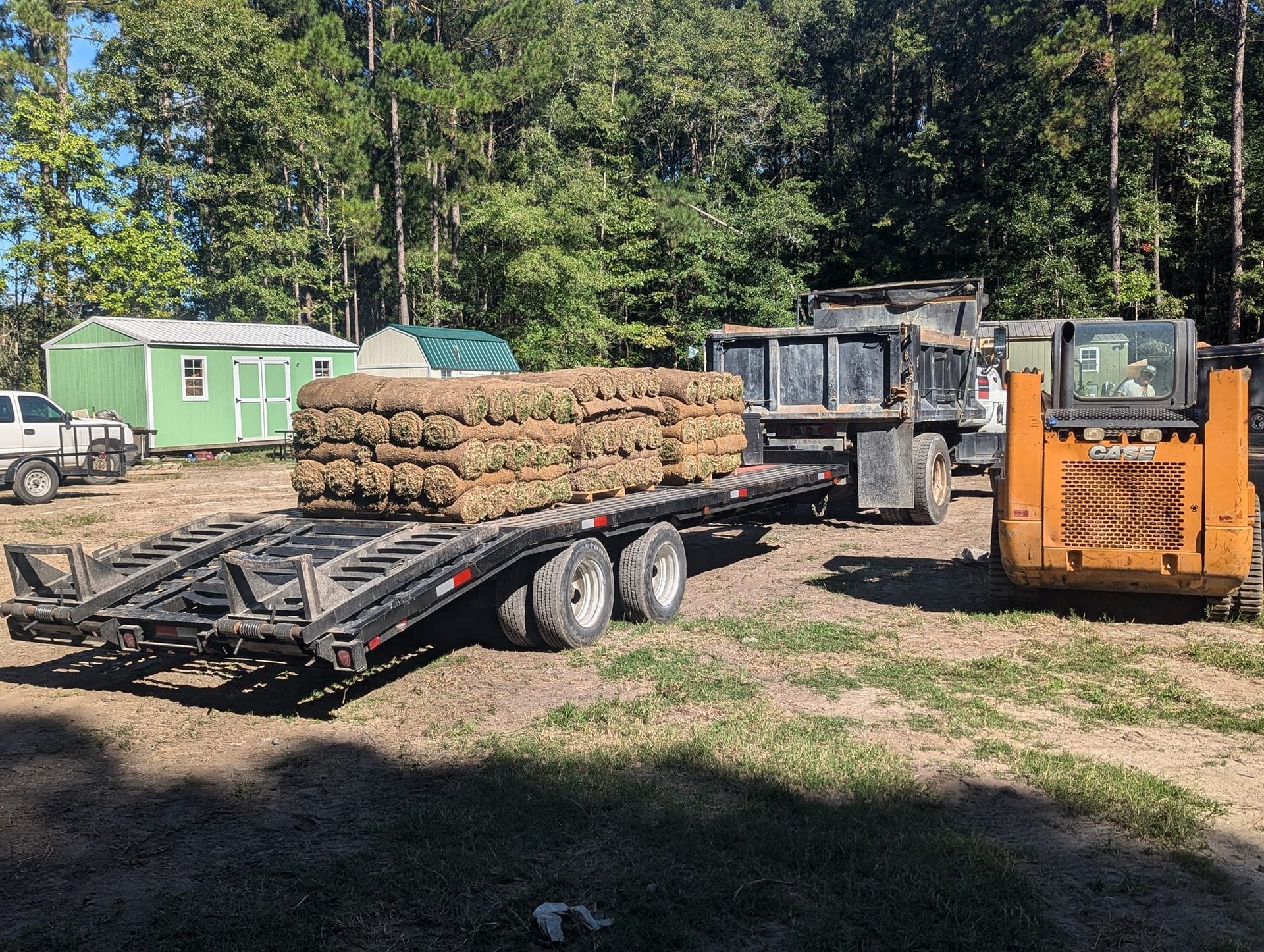
Bare soil transforms into a lush, established lawn within just a matter of days when sod is installed correctly, effectively bypassing the lengthy months of watering and patient waiting typical of seeding processes. At Nexlevel Ground Pros, we meticulously prepare the ground through comprehensive grading and soil conditioning before laying down fresh sod. This careful preparation creates essential contact between the roots and soil, a crucial factor that determines whether the grass establishes itself quickly and vibrantly or struggles to thrive. Properties undergoing renovation, new construction cleanup, or landscape redesign can greatly benefit from sod's remarkable ability to stabilize soil immediately while also producing a uniform and attractive appearance.
Ground preparation entails multiple critical steps, including the removal of debris, correction of drainage issues, and the addition of amendments that significantly enhance soil structure, especially in areas where compaction or poor quality would otherwise hinder root penetration. The selection of sod type is carefully based on various factors, including sun exposure patterns throughout your yard, specific soil characteristics, and the intended use of the lawn—high-traffic areas require sod varieties that can withstand wear and tear differently than those in shaded sections. The timing of installation in the Charleston region is also strategically planned to take into account potential heat stress during the sweltering summer months, ensuring optimal rooting conditions are achieved in the cool, inviting seasons of spring and fall.
We encourage you to request a consultation to thoughtfully plan complete lawn and landscape improvements tailored to the specific conditions of your property, ensuring the best possible outcome for your outdoor spaces.
What You Notice Once Sod Takes Root
The installation process positions each sod piece tightly against adjacent sections, staggers seams to prevent continuous gaps, and rolls the surface to eliminate air pockets that dry out roots. Soil beneath the sod must be moist but not saturated at installation, allowing roots to penetrate downward while the grass blades remain turgid. Watering schedules during the first two weeks determine whether roots establish into native soil or remain confined to the sod layer.
Within three weeks, you notice grass blades resist light tugging because roots have anchored into the soil below the sod, the lawn tolerates foot traffic without shifting or tearing, and color remains consistent even as watering frequency decreases. Seams between sod pieces become invisible as grass spreads laterally, and the entire surface feels firm rather than spongy when walked on. Properly rooted sod survives drought better than newly seeded lawns because the root system reaches deeper moisture reserves.
The work includes watering and care guidance specific to sod type and installation timing, but long-term health depends on mowing height, fertilization, and whether underlying drainage prevents waterlogging. Sod installed over poorly graded areas may develop uneven growth or disease pressure where water collects. Choosing the right grass variety for sun exposure prevents thinning in shaded zones where certain types cannot photosynthesize adequately.
Sod transforms properties quickly, but installation quality and variety selection affect how well grass establishes and performs under your specific conditions.
Answers to Frequent Service Questions
What happens to the existing ground before sod gets laid?
The surface gets graded to correct drainage problems, debris and old vegetation are removed, and soil amendments are added where testing reveals compaction or nutrient deficiencies that would limit root development.
How long before the lawn can handle regular use?
Light foot traffic is acceptable after two weeks once roots begin anchoring, but high-traffic activities should wait three to four weeks until the root system fully integrates with native soil.
Why does sod type matter for different yard areas?
Grass varieties have specific light requirements—some tolerate full shade while others thin and weaken without six hours of direct sun, so matching variety to exposure prevents patchy growth and repeated replacement.
When is the best time to install sod in Charleston, SC?
Spring and fall offer moderate temperatures that reduce heat stress and allow roots to establish before summer heat or winter dormancy, though installation is possible year-round with adjusted watering protocols.
How do you prevent seams from staying visible?
Tight placement, staggered seam patterns, and proper rolling eliminate gaps, while consistent watering encourages lateral growth that knits pieces together within weeks of installation.
Nexlevel Ground Pros. helps clients choose sod types suited to sun exposure, soil conditions, and how the lawn will be used, then prepares the ground to support long-term health. Arrange an evaluation to review your property's grading and plan a lawn installation that delivers immediate results.